Safe Use of Indoor Kerosene & Propane Heaters
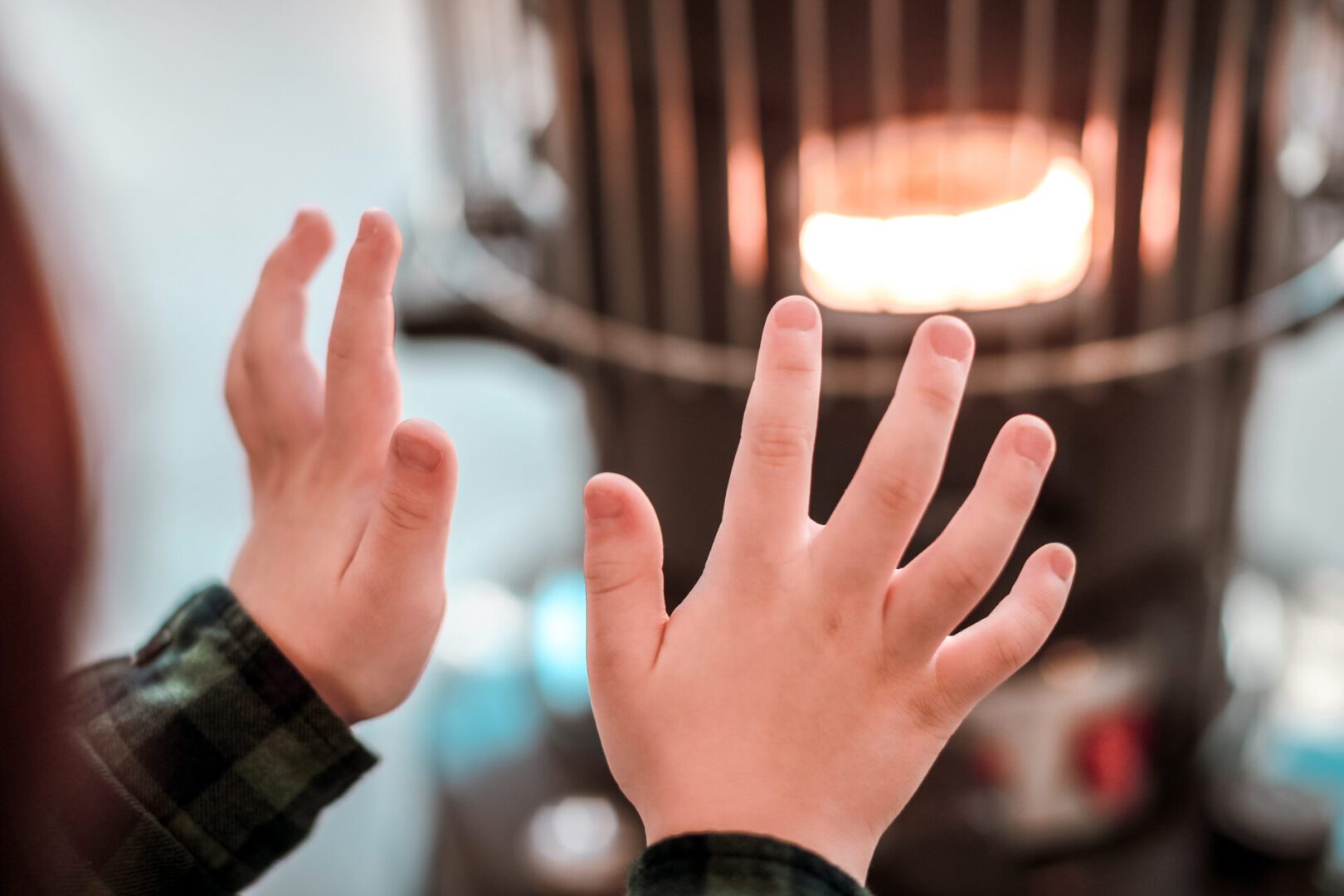
When winter temperatures drop and your primary heating system fails or struggles to keep up, portable kerosene and propane heaters can seem like convenient, cost-effective options. But these units — especially when used indoors — come with serious safety risks, including fire hazards and carbon monoxide (CO) poisoning. Being well informed and cautious can protect your home and family.
General Safety Principles for Indoor Fuel Heaters
Whether you’re using a kerosene or propane heater indoors:
- Only use them as a temporary or emergency heat source. These aren’t designed for permanent household heating.
- Install working smoke and carbon monoxide detectors. A properly placed CO detector is essential whenever burning fuel inside your home.
- Never leave a heater running unattended or while sleeping. Always shut it off before going to bed or leaving the house.
- Keep heaters at least three feet from flammable objects, including curtains, furniture, bedding and clothing. That clearance reduces fire risk and gives heat space to disperse.
- Place heaters on level, non-flammable surfaces and avoid high-traffic areas where they can be bumped or tipped.
Indoor Kerosene Heater Safety
Kerosene heaters produce a continuous open flame and combustion gases. When operated inside, they can increase the risk of fire and indoor air pollution if not used properly.
Key Precautions
1. Use the right fuel. Only burn certified K-1 grade kerosene. Clear, clean fuel reduces harmful emissions and prevents clogging or unsafe burning.
2. Ventilate. Open a window or door slightly to circulate fresh air. Indoor combustion consumes oxygen and can allow CO buildup if the space is sealed.
3. Fuel outdoors. Always refill the heater outside after it’s completely cooled. Never refill it indoors or when hot.
4. Consider safety features. Look for heaters with automatic shut-off, a fuel gauge and UL certification. These features can reduce fire and burn risks.
5. Stay vigilant. Watch the heater while it’s in use, and don’t use it to dry clothing or warm food.
Indoor Propane Heater Safety
Propane heaters are efficient but even more prone to CO buildup if misused indoors. Outdoor models should never be used in living spaces.
Key Precautions
1. Choose the right unit. Only use heaters specifically rated for indoor use. Outdoor propane units lack proper CO controls.
2. Ventilate while running. Keep a window cracked open about one to three inches to help CO disperse.
3. Check placement and spacing. Keep children, pets and combustibles at least three feet from the heater.
4. Clean and maintain. Regularly vacuum and wipe the heater’s surface and surrounding area to prevent dust buildup, which can contribute to fires.
5. Know what to watch for. A propane flame should burn blue. Yellow or orange flames can indicate incomplete combustion or a safety issue — if this occurs, turn off the heater and have it checked or replaced.
Signs You Should Stop Use of Alternative Heaters
Regardless of fuel type:
- If you smell odd odors (like strong fuel smells), turn off the heater immediately.
- If detectors alarm or anyone experiences dizziness, nausea or headaches (indicating possible CO poisoning symptoms), shut down the heater and ventilate the space.
- If the heater seems faulty, unstable, or produces excessive smoke, stop using it until it’s inspected or replaced.