Winter Driving Safety in Pennsylvania and Maryland: Safety Tips and What Your Policy Covers
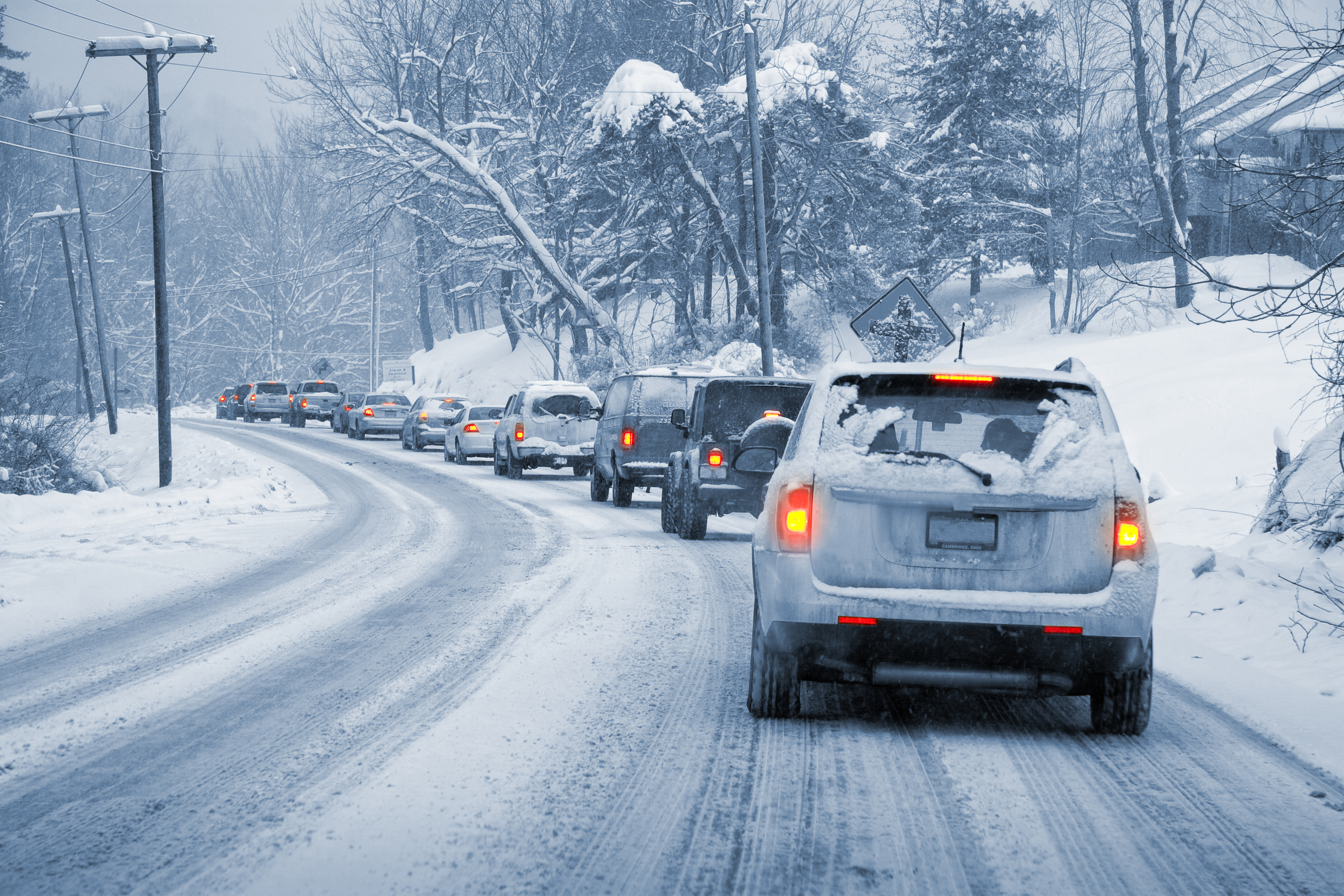
Winter driving in colder states like Pennsylvania or Maryland asks two things of you. The first is preparation, which is mostly common sense applied early. The second is knowing what happens when preparation isn't enough, because a slide on black ice is handled very differently by your policy than, say, hitting a deer. This page covers both.
Is Sliding on Ice an At-Fault Accident?
Often, yes, and this surprises people. Bad weather isn't a defense on its own. Drivers are expected to adjust to the conditions in front of them, which means slowing down, leaving more room and keeping the vehicle in good shape. You can be travelling at the posted limit and still be found at fault if that speed was too fast for an icy road.
Every crash is judged on its own facts, and Pennsylvania and Maryland don't assess fault the same way, so nobody can tell you the outcome in advance. What we can tell you is which part of a policy usually responds:
-
You slide and hit a guardrail, a tree or another car. That's normally handled as a collision claim, and you'd pay your collision deductible.
-
You slide into another vehicle and are found at fault. Your liability coverage responds to the damage and injuries you caused, up to your policy limits.
-
You carry liability only. Any damage to your own vehicle isn't covered.
The practical takeaway is worth more than the legal detail. Check before winter that you carry the coverage that would respond and that your deductible is set at what you could realistically afford if an accident occurs. That's a much better conversation to have in October than in February.
Here Are a Few Driving Tips to Help You Make It to Your Destination Safely:
-
Pack a winter emergency kit. Blankets, warm clothing, water, a first aid kit, a flashlight, a shovel, ice scrapers and a charged power bank. Here's our full checklist: Emergency Kit Essentials for Your Vehicle.
-
Winterize your vehicle. Have the engine tuned. Have your anti-freeze, battery, brakes, heater, exhaust system, and lights tested. Keep the gas tank filled, topping it off when it reaches half a tank.
-
Notify others of your travel plans. Plan out your route before getting in the vehicle. Try not to travel alone. Report a safe arrival when you reach your destination. Check the latest weather forecast before leaving.
-
Clear snow and ice from your windows and mirrors before traveling. Remove snow and ice from the lights, hood, and roof.
-
Slow down. Remember that the posted speed limits are for dry pavement.
-
Allow more room for stopping. Allow at least three times the distance to reach a full stop on wet and snowy roads as dry roads. This means you should increase your following distance to at least three times your normal distance.
-
Know what to do in a skid before you're in one. Ease off the accelerator and steer where you want the front wheels to go, and don't brake hard or turn sharply. If you have antilock brakes, don't pump them: press firmly and steer. We walk through each type of skid here: How to Steer Out of a Skid.
-
Stay with your vehicle. If you get caught in a storm or blizzard and your vehicle becomes stuck, stay in your vehicle and await rescue. Run the motor once in a while to provide heat and always crack the window to avoid carbon monoxide poisoning. Make sure the exhaust pipe is clear of snow. Only leave your car and walk for help if you can see a definite safe haven, such as a house or school.
-
Watch for ice on bridges and overpasses first. Cold air moves underneath them, so they freeze before the rest of the road does.
What Kinds of Damage Does Your Policy Cover?
Three common cold-weather claims, three different answers:
-
You slide on ice and hit something. Normally collision coverage, and often treated as an at-fault loss.
-
You hit a deer. Normally comprehensive coverage. In Pennsylvania, it's treated as a not-at-fault incident. Read more: Hitting a Deer in Pennsylvania and Maryland.
-
Road salt rusts your undercarriage. Not covered. Corrosion is wear and tear, which standard personal auto policies exclude, so prevention is your only protection. Read more: Road Salt Damage to Cars.
If you're not sure which of these your policy would cover, that's a short conversation with your independent agent in Pennsylvania or Maryland.
Sometimes the Best Winter Driving Strategy Is to Stay Home
No errand is worth a wreck. When PennDOT or the Maryland State Highway Administration says to stay off the roads, they mean it, and a delayed trip costs you nothing but time.