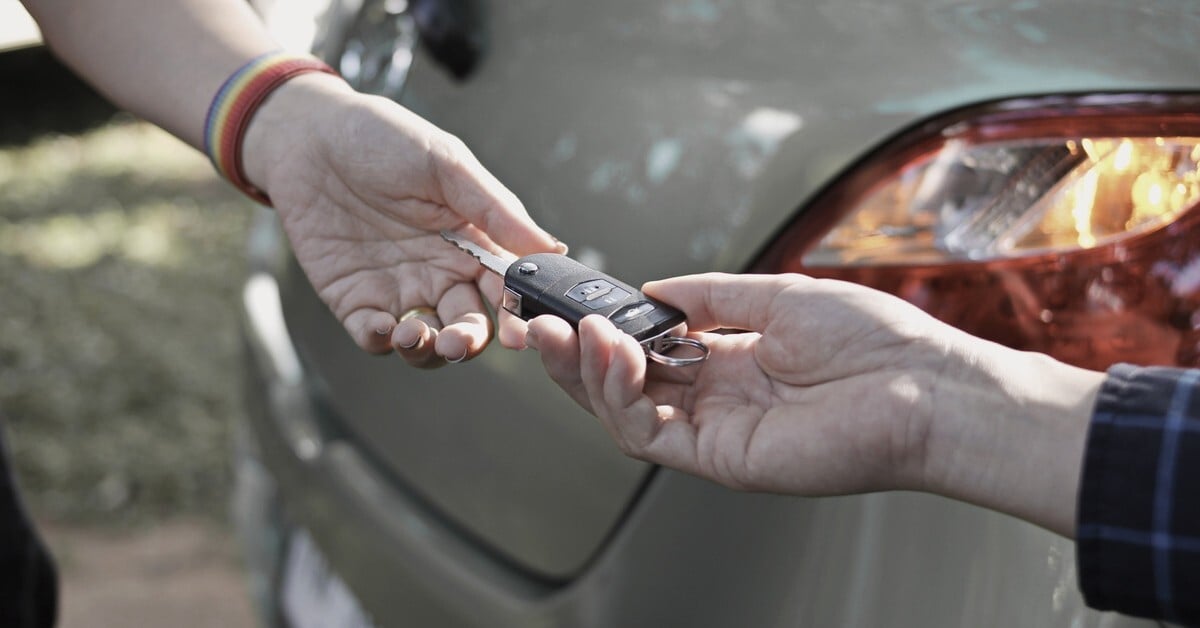
Ever found yourself tossing your car keys to a friend, only to have a sudden wave of doubt? “What if something goes wrong?” It’s a common situation. Maybe your roommate’s car is in the shop, or your cousin needs to borrow your SUV for a quick trip across town. No matter the reason, every car owner deserves a clear answer: can someone else drive my car without risking a major insurance headache?
This guide takes you past the vague reassurances and down to the nitty-gritty: which drivers your insurance covers, what could go wrong and how your choices today can affect your finances later. You’ll get real scenarios, a checklist and expert insights—all built to help you hand over your keys with confidence.
How Car Insurance Works When Someone Else Drives Your Car
Lending your car is never just a handshake deal. It’s smart to know who picks up the bill if something happens. Understanding how your policy responds when someone else drives your vehicle will help you avoid unwanted surprises and denied claims.
Does Car Insurance Cover the Car or the Driver?
In the U.S., car insurance usually follows the car, not the driver. That means if Jane hits a shopping cart while borrowing your car, your insurance—not hers—will typically respond first. If the damage exceeds your policy limits, then Jane’s policy (if she has one) might step in for some extra help.
So when you wonder, does car insurance cover the car or the driver?, the short answer is: it covers the car first, with the driver’s policy acting as possible backup.
Permissive Use Explained
“Permissive use” is industry jargon for something simple: you gave someone permission to drive your vehicle. In most standard auto insurance policies, simple acts of generosity like lending your car to a friend for a day are covered. This does not apply if you say nothing—or say no—and they take the keys anyway. But as long as you grant permission, your insurance usually extends coverage for their occasional use.
Household vs. Non-Household Drivers
Where things get sticky is inside your own walls. Insurance companies expect every licensed driver in your household—spouse, teen or roommate—to be listed on your policy. If they aren’t, the “permissive use” safety net likely won’t apply. Letting your teenage son, who lives with you but isn’t a listed driver, take the car for a spin could result in a denied claim.
For non-household drivers (think out-of-town friends or relatives), permissive use is generally in force. Still, always check the fine print, especially if someone borrows your car often. And, when in doubt, reach out to your independent insurance agent for clarity on your specific policy and coverages.
Common Scenarios for Lending Your Car
It doesn’t take a wild imagination to picture everyday reasons you might lend your car. These real-world examples reveal how the rules might play out.
Lending Your Car to a Friend
Let’s say your friend needs to run an errand, and you agree. She rear-ends someone at a stop sign. Since you gave her the green light, your insurance covers the damage—both to your vehicle she is driving and the other car. On renewal, you may notice your rates creeping up. Claims caused by permissive drivers still affect your record and rates.
Family Members & Unlisted Drivers
Suppose your brother has moved in temporarily but isn’t on your insurance. He borrows your car, thinking he’s covered. In most cases, if he’s living with you and not listed on your policy, insurance may not pay for an accident. That’s a tough bill to face out-of-pocket.
Borrowing for Work, Rideshare or Delivery
Insurance companies draw a hard line here. Your regular auto policy does not cover commercial activities. If your friend volunteers to drive for Uber Eats or make deliveries in your car, neither your policy nor theirs (unless it’s a commercial auto policy) picks up the tab. You could be responsible for damages or face possible denial of coverage.
Exceptions & Special Considerations
As with every rule, there are exceptions that can trip you up if you’re not careful.
When Permissive Use Does NOT Apply
Even though permissive use generally allows others to drive your car with your consent, there are important limits to be aware of. Certain situations automatically void coverage, regardless of permission—meaning your insurer can deny the claim even if you thought the driver was protected.
- Excluded Drivers: If you’ve listed someone as explicitly excluded on your policy and they get behind the wheel, insurance will not pay for any associated claims.
- Unlicensed Drivers: No coverage applies if the person isn’t legally able to drive.
- Illegal Uses: If the driver is using your car for illegal activities, expect your claim to be denied.
State-Specific Car Insurance Laws
Some states have custom rules. In Pennsylvania, no-fault laws mean your personal injury protection (PIP) coverage pays for injuries no matter who caused the accident. States like California reduce liability coverage for non-household drivers. Always review your state’s approach.
Temporary & Short-Term Drivers
Some insurance providers offer special coverage for those unique moments—like when you lend your car to a friend from out of town for a week. Short-term car insurance may fill gaps when neither your policy nor theirs otherwise would.

How Lending Your Car Affects Your Insurance
Even if you never plan to lend your car, life happens. Knowing the impact up front helps you protect your budget and coverage.
Impact on Premiums & Renewal
Any accident in your car, regardless of who’s driving, can raise your rates. Insurance companies don’t usually care if it was you or your cousin Bob who backed into a pole—too many claims, especially from unlisted drivers, can also trigger non-renewal or outright cancellation.
Primary vs. Secondary Insurance in an Accident
If there’s an accident with someone else driving your vehicle, your insurance is primary. The permissive driver’s own insurance (if they have it) is secondary and may pay only after your limits are exhausted. If you allowed an excluded driver, or someone your policy doesn’t cover, you might have to pay damages yourself.
The Importance of Reviewing Your Policy and Talking to Your Agent
Every insurance policy has quirks. A quick five-minute call with your agent can save you from a world of regret. Ask directly about permissive use, household driver requirements and any exclusions written into your contract. It’s the difference between sleeping well and waking up to a denied claim.
What to Know Before Lending Your Car: Actionable Checklist
Before you hand over your keys, it’s worth taking a moment to make sure you’re covered. Lending your car may seem simple, but a quick review of your policy and state laws can prevent big headaches later. Use this checklist to confirm that both you and the driver are protected before they hit the road.
- Make sure the intended driver has a valid driver’s license.
- Read your auto insurance policy for permissive use clauses.
- Know your state’s rules about listed or excluded drivers.
- Discuss how claims and deductibles work if your car is in an accident.
- Never allow your car to be used for delivery or rideshare without commercial coverage.
- When in doubt, check with your insurance agent before lending your car.
Frequently Asked Questions (FAQs)
The Bottom Line: Know Your Car Insurance Before Lending Your Car
Don’t get caught guessing about your insurance. Understanding if and when someone else can drive your car—and when coverage kicks in—can save your finances, relationships and stress levels.
Stay informed about state-specific rules, know your own policy inside and out, and always consult your insurance agent when in doubt. With the right knowledge, you can lend your car (or borrow one) without losing sleep or breaking the bank.