What to Do After a Car Accident: The Complete 2026 Guide
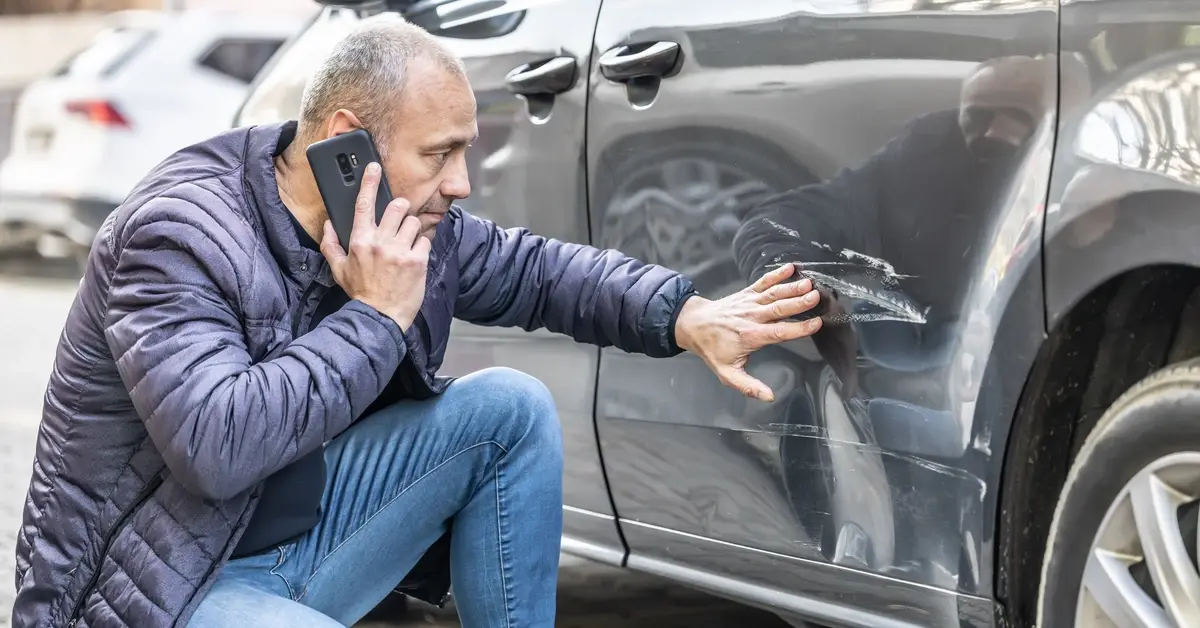
So, you’ve just experienced a car accident, and it’s time for the promise you purchased in the form of an auto insurance policy to do its job.
But what information do you need to collect at the scene of the accident to file a claim?
What should I do at the scene of the accident?
- Ensure that everyone involved is okay. If anyone is injured, immediately call 911 for medical attention.
- Move any involved vehicles safely out of the road as soon as possible to prevent further accidents.
- Call the police to report the accident. The police may not report to the scene if it was a minor accident with no injuries, but it is best to let the police know an accident occurred. A police report will create a record of the accident and all parties involved and police can advise you of any immediate necessary info on the scene.
- Be sure to note the police department name, police report number, and the responding officers’ names, phone numbers and badge numbers for future reference.
- Collect this critical information from the other driver(s) and their passengers:
- Full name, age, address, driver’s license information, phone number and email address of other driver(s)
- Full name, contact information, age of all passengers involved
- Year, make, model color and state/license plate number of all vehicles involved
- Insurance information of other vehicles including insurance carrier name and policy number (Note: taking a photograph of the insurance card is always helpful!)
- Survey the area where the accident occurred. Make sure to take photos of your surroundings if you’re able, including:
- Traffic lights/direction signs (e.g. stop and yield signs)
- Weather conditions
- Road conditions
- Exact location of the accident (including street name, address and any nearby landmarks or buildings)
- Collect witness information. If any independent witnesses come forward (not including passengers from vehicle(s) involved), you can request that they voluntarily provide their name and contact information or share their account with the police. This can help both police and your claim adjuster have a more accurate, factual understanding of the loss.
- Write down notes of your memory of the accident. Certain small details can turn out to be incredibly useful for your claim adjuster, such as:
- The color of surrounding stoplights leading up to the accident
- The number of lanes on the road, and which lane each vehicle was driving in
- Any movements you or the other vehicle(s) made prior to the collision
- Turn signal usage
- If multiple vehicles were involved, how many impacts you felt (e.g. you felt jolted forward from being rear-ended, then felt a second jolt a moment later)
What information should I have ready when filing a claim?
- Whether you file a claim by visiting your carrier’s website or giving them a call, you will need this information handy:
- Your policy number
- Contact information for everyone involved
- Basic facts of the loss
- Police report or incident number (if applicable)
- Best contact information (phone number and email address) for you to be reached by your claim adjuster
Accidents are stressful, but collecting the right details at the scene helps your insurance team handle your claim quickly and smoothly so you can get back on the road with peace of mind.