
It can be hard to pinpoint when a side project becomes a business. A few Etsy orders turn into weekly shipping runs, the spare bedroom turns into inventory storage and the packaging supplies start taking over a corner of the house. Along the way, the stakes changed too. If you sell handmade goods, run a small Shopify store or ship products from home in Pennsylvania or Maryland, one of the risks that can catch you off guard has nothing to do with the website. It's assuming personal insurance is built to handle business property, product claims, customer data and orders moving through the mail — but it isn’t.
Key Takeaways
-
Homeowners policies were not built to protect risks with small online shops. Business property, product claims and business liability sit largely outside a personal policy, usually with low limits you only discover at claim time.
-
Product liability is the coverage handmade sellers miss most.
-
Inventory in the house is a business asset.
-
Platform rules are not the same as protection. Amazon requires coverage above $10,000 in monthly sales and Walmart above $100,000 in yearly Gross Merchandise Value (GMV), while Etsy and Shopify require nothing.
-
Hiring anyone to support your shop changes the conversation even further. Workers' compensation is generally required in both Pennsylvania and Maryland once you have employees — part-time help included.
-
An independent agent builds coverage according to how you sell.
When Does an Online Shop Outgrow Personal Insurance Coverage?
An online shop becomes a business exposure when you're regularly selling products, storing stock and shipping to customers. It doesn't have to look or operate like a warehouse first.
For a home-based seller, the shift usually shows up in practical ways:
-
You keep inventory, raw materials or packaging in a spare room, basement or garage.
-
You use equipment for the shop, whether that's a sewing machine, heat press, kiln or cutting machine.
-
You ship products to people you've never met.
-
You make things that could injure someone if they fail — think even small beads on jewelry products.
-
You sell at craft fairs, farmers markets or pop-up events.
-
You hire part-time help to make, pack or ship orders.
Once a hobby becomes a business, business insurance becomes an important part of protecting what you’ve built. While personal insurance is built around your household, e-commerce business insurance is built around your selling activity.
Why Your Homeowners Policy May Leave Gaps
A homeowners policy covers your home and your personal belongings, but it isn't designed to fully cover business property, business liability or income from an online shop.
Picture an actual claim: A pipe bursts and soaks boxes of finished candles in the basement, a small fire damages your heat press, a customer comes to the porch for a pickup and falls on the steps or a batch of handmade skincare causes a reaction. None of these claim scenarios are the same as a damaged sofa or a family guest slipping during a visit.
So the question isn't really whether you work from home. It's what business property sits in the home, what products leave it and whether other people interact with the business there. For this reason, insurance for home-based businesses deserves a closer look once physical products are involved beyond a laptop and a desk.
Does homeowners insurance cover a home business? While some coverage may be included, homeowners policies often have restrictions and exclusions that you might not even realize until you go to file a claim. A local independent agent can read your current policy and tell you where a home business endorsement helps and where a separate commercial policy fits better.
The Coverages Small Online Sellers Should Understand
The protection you need depends on how your business operates. A print-on-demand store, a jewelry maker and a reseller with stock in the garage simply don't all carry the same risks. Use the table below as a practical starting point for comparing coverages:
| Coverage | What It Protects | Example for an Online Seller |
| General Liability | Third-party injury or property damage claims | A customer picking up an order trips on your porch, or your booth setup damages someone's property. |
| Product Liability | Injury or damage caused by something you sold | A candle, cosmetic, jewelry piece or children's item allegedly causes harm. |
| Business Personal Property | Business-owned stock, materials and equipment | Your inventory, sewing machine, camera or label printer is damaged. |
| Goods In Transit/ Inland Marine | Property while it's moving or stored away from your main location | Orders or equipment are damaged in shipping or on the way to an event. |
| Cyber Liability | Costs tied to certain cyber incidents and online security problems | Your shop account, email or order system is compromised. |
| Data Compromise | Response needs after customer or business information is exposed | Customer names, addresses and order details are caught up in a data incident. |
| Business Interruption | Lost income when a covered loss shuts down operations | A fire makes your home studio unusable and stops production. |
| Workers' Compensation | Employee injuries or illnesses connected to work | A part-time helper is hurt while packing orders. |
| Commercial Auto | Business use of vehicles | You use a vehicle for market deliveries, post office runs and event travel. |
Product Liability Deserves a Closer Look for Handmade Goods
Product liability responds to claims that something you sold caused injury or property damage. For small online shops, it can apply whether you made the item, assembled it from parts, labeled it under your shop name or simply resold it. This last one surprises people.
Some products are more likely than others to result in a claim:
-
Candles and wax melts, where heat, flame, fragrance oils and labeling all affect risk
-
Bath, body and skincare products — anything that touches skin can lead to an irritation or contamination claim
-
Jewelry, where small parts, sharp edges and children's access create liability concerns
-
Children's items, where choking hazards, cords and fasteners need careful attention
-
Mugs, utensils, teethers and lip products, where mouth contact raises its own concerns
General liability coverage should be matched to what you actually sell. A shop selling digital prints doesn't operate like a shop producing soaps and baby accessories. The exposure gets more pointed when products are made, stored and shipped from the same house you live in.
While insurance won't substitute for safe design, clear instructions, careful sourcing and accurate labeling, it’s one part of protecting a business that sends physical goods into other people's homes.
Do I Need a Business Plan?
Once inventory moves into your living space, the house starts doing two jobs. Of course it’s still your home, but part of it now is also storage, production and shipping.
A home studio might hold a laptop, camera, fabric, cutting mats, shelving and finished orders ready to go out. Similarly, a candle shop might store wax, jars, fragrance oils, wicks and shipping boxes. In both scenarios, these are business assets sitting in a residential building.
A loss gets complicated when personal and business property are mixed together. Your carrier needs to know the business exists so that the coverage can be set up correctly in the first place. Minimizing your business to keep a premium down tends to have consequences later, at the worst possible moment, when a claim involves stock or equipment.
Some sellers only need a modest adjustment. Others need commercial property coverage as part of a broader business policy. Generally, it depends on what and how much you store, what it's worth and how much of your income depends on it.
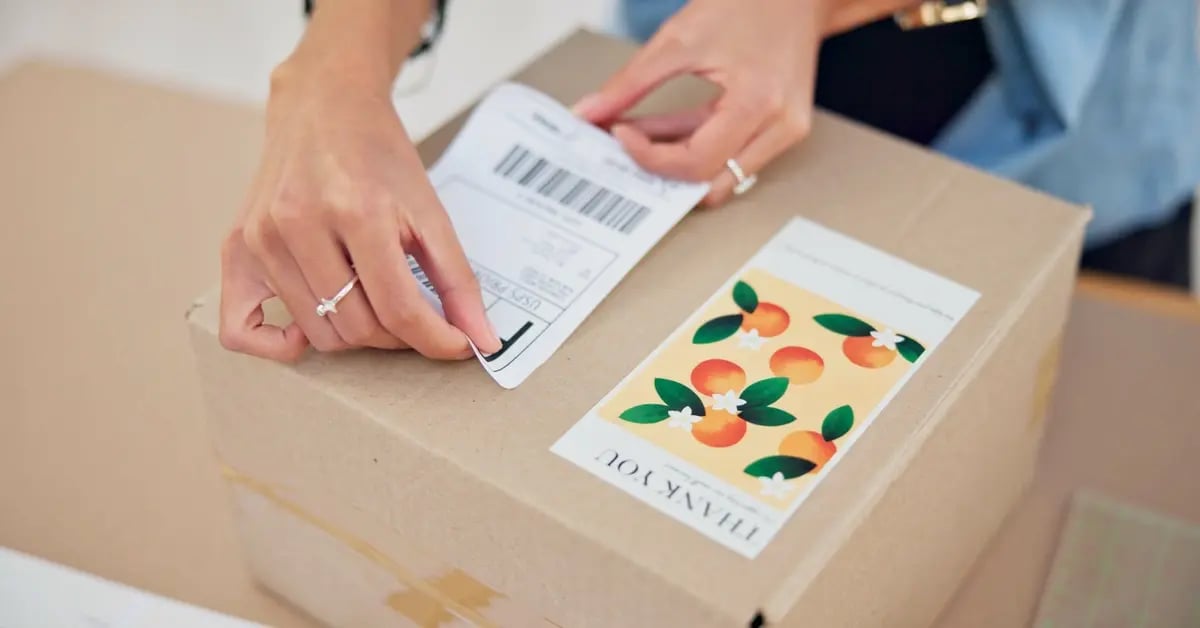
Shipping, Fulfillment and Off-Site Stock Create Another Exposure
Selling online means your products rarely sit still: They move from supplier to home, home to customer, home to a market booth or from a fulfillment location to the buyer.
Goods in transit coverage, often written as inland marine, is built for property that's moving or sitting away from your main covered location. It matters if you regularly ship direct to customers, transport booth inventory or use a fulfillment partner.
The concern goes beyond replacing a single lost order for a customer. A single damaged shipment may be manageable. However, when it's a weekend's worth of event inventory or a wholesale order of higher-value goods, it starts affecting your ability to sell at all.
Your agent will want to know how products move, who handles them, where they sit along the way and when ownership transfers. These details determine whether your current setup is enough.
Cyber and Data Risks Still Exist When a Platform Processes Payments
Cyber liability insurance addresses certain losses tied to online security events. Data compromise coverage helps with the response when customer or business information is exposed.
Small sellers often assume the platform handles all of the data risk, since Etsy, Shopify or Amazon processes the card, but payment processing is only one piece of it. You still hold customer names, shipping addresses, order histories, email threads, account logins and supplier information, opening your business to the following risks:
-
A compromised email account disrupts customer communication
-
A hijacked shop login disrupts orders
-
A lost laptop could be in someone else’s hands with your business records on it
-
A phishing email exposes credentials
These are very real risks for a small shop, even when you’ve never built a custom website.
If a Home Loss Shuts Down Orders, Income Can Stop Too
Business interruption coverage helps replace lost business income when a covered property loss forces you to pause. For an online seller with no storefront, this pause is still a very real concern.
Say a water loss hits the room where you store finished inventory and pack orders. The stock may be damaged, the supplies unusable and the work area in need of repairs. If you make the products yourself, production stops. If your orders are time-sensitive, the delay can follow you into future sales through reviews and repeat customers.
Business interruption coverage is tied to the specifics of the covered loss and your policy terms. It won't cover slow sales, a marketplace algorithm change or a product that just didn't sell. If you're worried about your own illness or injury sidelining the shop, ask your agent about that separately because it's a different need.
Choosing Coverage by How You Actually Sell
The best business insurance for an e-commerce shop isn't a one-size-fits-all coverage from a brand you pick off a generic national list. It's the coverage that fits what you sell, where you keep it and who helps you run it.
When preparing for a conversation with an independent agent, these questions can guide you:
-
What do you sell? Digital products, apparel, candles, skincare and resale goods all carry different exposures.
-
Do you make the product, modify it, label it or resell it? Your role in the chain drives the product liability question.
-
Where does inventory live? Home, a storage unit, a fulfillment center and event locations each create different property concerns.
-
How do products reach customers? Mail, local delivery and customer pickup change the transit picture.
-
Do customers, vendors or helpers come to your home? Foot traffic creates liability a purely online seller never faces.
-
Do you sell in person? Booths and markets add certificate requirements and event-specific risks.
-
Do you have employees, even part-time or seasonal ones?
-
Do you use a vehicle for the business?
Your premium depends on these answers, plus your coverages and limits, claims history, payroll and inventory values. A low-risk shop with a shelf of stock won't look like a maker working with flammable materials, skin-contact products and two employees. Try not to base your decision on premium alone. The cheapest option can exclude the claim most likely to financially harm you down the road.
What Pennsylvania and Maryland Sellers Should Keep in Mind
Mutual Benefit Group writes business insurance in Pennsylvania and Maryland only. This regional focus can be especially valuable for online sellers who'd rather work with someone who knows the local market, the seasonal craft-show calendar and the realities of operating a small business in the area.
If you sell from Pennsylvania, an agent can compare options for business insurance in Pennsylvania based on your product, storage setup and employee status. If you sell from Maryland, an agent can do the same for business insurance in Maryland.
Keep in mind as you move forward that workers’ compensation should be reviewed the moment employees enter the picture in either state. Also, event requirements vary by organizer and venue, so keep your certificates and policy details somewhere you can grab them quickly before the busy season begins.
Talk Through Your Online Shop with a Local Agent
Your business may have started with a few listings, a folding table and a stack of shipping labels. If it now involves inventory, tools, customer data, product liability, events or employees, it’s time for a business insurance conversation.
MBG works through independent insurance agents across Pennsylvania and Maryland, meaning that you don't have to decode coverage terms alone or buy from a website that knows nothing about your shop. An agent can look at your products, your home setup, your selling channels and where you're headed. With all this in mind, they can then help you decide what belongs in your policy.
MBG can also bring your commercial coverages together, which simplifies billing and keeps everything organized in one place. For a small online seller, this is easier than managing separate decisions for liability, property, business auto and workers' compensation as the shop grows.
When you're ready to compare options, start by finding an independent agent near you. You can also read more about choosing the right agent for your business or review practical ways to save on business insurance before you reach out.
Frequently Asked Questions