
Many restaurant owners start with the same assumption: "I just need restaurant insurance." But a neighborhood diner, a cafe with a delivery driver and a bar that serves alcohol don't carry the same risks. Treating them like they do can leave real gaps that tend to show up in everyday situations like these:
-
A customer slips on a wet floor.
-
A kitchen fire damages equipment.
-
A walk-in cooler quits and ruins a weekend's inventory.
-
An employee gets hurt during a busy shift.
At this point, you can see why one policy rarely tells the whole story for a restaurant in Pennsylvania or Maryland. As a restaurant owner, what you need depends on how your business runs and what exposures exist, including whether you have employees, whether you serve alcohol and whether you own vehicles or rely on staff to use their own cars.
Our goal with this guide is to break down the core coverages restaurant owners in PA and MD should understand, how those coverages fit together and when it makes sense to work with a local independent agent to build a policy that matches your operation.
Key Takeaways
-
Restaurant insurance is usually a package, not just one type of policy. Property, liability, workers' comp, auto, equipment, spoilage and employment-related coverage may all matter.
-
General liability matters, but it isn't enough by itself.
-
Alcohol, employees, delivery and catering change the conversation.
-
A Businessowners Policy (BOP) may fit some smaller restaurants. Larger or more complex operations may need a Commercial Package Policy (CPP) instead.
-
In Pennsylvania and Maryland, local guidance matters. An independent agent tailors coverage to your restaurant, not a generic national template.
Why Restaurants Carry More Risk Than Most Small Businesses
Restaurants combine several risks under one roof: you've got customers walking through the dining room, employees moving fast behind the line, hot equipment, sharp tools, food inventory, refrigeration, electrical systems and sometimes alcohol service. Add delivery, catering, outdoor seating or special events, and the picture gets even more complicated.
As a result, the answer is rarely a single coverage. A basic policy may help with some losses, but it won't respond to every problem that can interrupt your business. A customer injury is different from a broken oven. In the same way, spoiled food is not the same as an employee injury, and a liquor-related claim is different from smoke damage in the kitchen.
Despite the varying exposures, the goal isn't to buy every coverage available but to match your insurance to how your restaurant actually operates. A small coffee shop with no alcohol and no delivery has a different risk profile than a full-service restaurant with a bar, a catering van and late-night staff.
If you're comparing business insurance in Pennsylvania and Maryland, start with the risks your restaurant actually faces day to day.
The Core Coverages a Restaurant Needs
Restaurant insurance coverage works best when each part of the policy has a clear job. The table below gives a practical view of the coverages many owners should understand before choosing a policy.
| Coverage | What It Protects | Typical Restaurant Example |
| Commercial Property | Buildings, equipment, fixtures, furniture, inventory and tenant improvements | A kitchen fire damages cooking equipment and dining room fixtures |
| General Liability | Customer injuries, third-party property damage and related liability claims | A customer slips on a wet floor near the entrance |
| Liquor Liability | Alcohol-related liability exposure for restaurants and bars that serve alcohol | A claim follows an incident involving a patron who was served alcohol |
| Workers' Compensation | Employee injuries and work-related illness | A cook is burned or a server is injured during a shift |
| Commercial Auto | Vehicles owned or used by the business | A catering vehicle is involved in an accident while making a delivery |
| Hired and Non-Owned Auto | Business exposure when rented vehicles or employees' personal vehicles are used for work | An employee uses a personal car to deliver an order |
| Equipment Breakdown | Mechanical or electrical breakdown of key equipment | A walk-in cooler stops working unexpectedly |
| Business Interruption | Lost income after a covered shutdown | A covered property loss forces the restaurant to close temporarily |
| Spoilage | Food inventory ruined by a covered event | Refrigerated inventory is lost after a covered equipment problem |
| Employment Practices Liability | Certain employment-related claims | A claim arises from hiring, firing, scheduling or workplace conduct |
MBG also has a broader overview of business insurance coverage types if you want to compare how commercial property, general liability, business auto and workers' compensation fit together.
Commercial Property Protects the Physical Parts of the Restaurant
Commercial property insurance helps protect the building, business personal property, equipment, fixtures and inventory your restaurant depends on.
If you own the building, property coverage may help protect the structure itself. However, it still matters if you lease your space because you likely have tenant improvements, kitchen equipment, furniture, signage, shelving, point-of-sale equipment and inventory inside. For a restaurant, the items inside the building are more than just property — they're the tools that keep your business running every day.
Property coverage is especially important because restaurant equipment is expensive to repair or replace, and a damaged kitchen can stop operations fast. Your agent can review what you own, what your lease requires and whether your limits reflect the way your restaurant is set up now, not the way it looked when you first opened.
General Liability Is the Foundation of Restaurant Liability Insurance
General liability insurance helps protect your restaurant from certain claims involving customer injuries, third-party property damage and related legal expenses.
This is the coverage many owners think of first when they think about restaurant liability insurance. The classic example is a customer slipping on a wet floor, but the exposure is broader than that. A guest could be injured in the dining room, a server could damage a customer's property or your restaurant could face an incident during an off-site catering job.
For these reasons, general liability is important, but it isn't a catch-all. It doesn't replace workers' compensation, property coverage, liquor liability, commercial auto or employment practices coverage. Think of it as one of the main building blocks rather than the whole building that is your insurance coverage.
Liquor Liability Matters for Alcohol Service
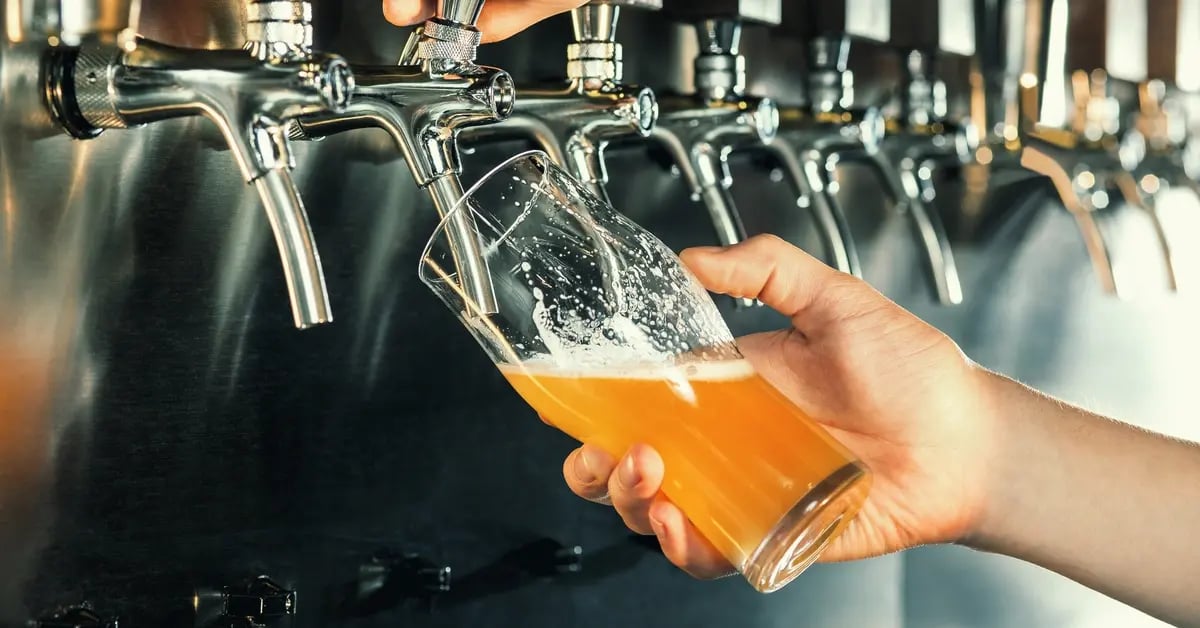
Liquor liability insurance helps protect a restaurant or bar from certain claims tied to serving alcohol.
If your business serves beer, wine or liquor, this coverage deserves careful attention because alcohol service can create exposure that standard general liability may not fully address. This is true whether you run a full bar, a brewpub, a fine dining restaurant with wine service or a casual spot that serves drinks with dinner.
For bar and restaurant insurance coverage in Pennsylvania and Maryland, the safe approach is to talk through alcohol service with an independent agent. Both states can involve claims connected to alcohol service, and the details of your operation matter. Hours, drink service, events, security, training and food service all shape the way your policy is built.
Workers' Compensation Protects Employees When They're Hurt on the Job
Workers' compensation insurance helps cover employees for work-related injuries or illness and is required once you have employees in both Pennsylvania and Maryland.
As we’ve shown, restaurants have plenty of everyday injury risks: burns, cuts, slips, lifting injuries and fast-paced work in tight spaces. Even a well-run kitchen has accidents, making workers’ compensation not just a compliance box but practical protection for your employees and your business.
Keep in mind that if you're hiring your first employee or changing how your team is structured, it's worth reviewing workers' compensation with an agent before assuming your current setup is enough.
Commercial Auto Applies When Vehicles Are Part of the Business
Commercial auto insurance helps protect vehicles owned or used by the business for restaurant operations.
If your restaurant owns a delivery car, catering van or other business vehicle, commercial auto should be part of the conversation. But many owners miss the next layer that can impact your policy structure: employees using personal vehicles. If staff use their own cars for deliveries, errands, bank runs, catering or supply pickups, your business may still have exposure.
This is where hired and non-owned auto coverage can come in. It doesn't turn an employee's personal vehicle into a company car or replace the employee's own auto insurance, but it can help address business liability tied to certain vehicle use. Since this is an area where guessing creates gaps — especially for delivery-heavy restaurants, cafes, and food trucks — a discussion with an independent local agent can help close those gaps before they become problems.
Equipment Breakdown, Spoilage and Business Interruption Are Connected
Equipment breakdown coverage helps protect against certain mechanical or electrical breakdowns of key equipment your restaurant depends on.
For a restaurant, a broken piece of equipment can trigger more than a repair bill. A walk-in cooler, freezer, oven or HVAC system can have an impact on inventory, service, staffing, and revenue all at once. If refrigerated food spoils or a covered problem forces you to close, the loss spreads quickly.
Since they are so interconnected, equipment breakdown, spoilage and business interruption should be reviewed together. Equipment breakdown coverage may address certain equipment failures, and spoilage coverage may help with ruined food after a covered event. Similarly, business interruption may help with lost income after a covered shutdown. The important phrase is "covered event." These coverages have conditions, limits and exclusions your agent should explain clearly.
MBG's optional specialty insurance page explains how certain add-on coverages can help address risks that may not fall neatly inside a standard policy.
EPLI Helps Address Employment-Related Claims
Employment practices liability insurance, often called EPLI, helps protect a business from certain claims tied to employment practices.
Restaurants often run on part-time schedules, tipped employees, seasonal staffing, shift changes, hiring decisions, discipline and turnover, creating employment-related risk. EPLI may help with certain claims involving hiring, firing, workplace conduct or other employment practices. In our experience, this is one of the coverages owners think about last but wish they'd understood sooner.
It doesn't replace good management, clear policies or legal guidance when needed. But it's a coverage many restaurant owners should at least understand. MBG has more guidance on employment practices liability if you want to dig deeper into how this protection works.
How These Coverages Come Together
Once you understand the individual coverages, the next question is how they fit into a policy. This is where a lot of national insurance advice stops too early. A list of coverage names is helpful, but it doesn't tell you whether your restaurant belongs in a Businessowners Policy or a broader Commercial Package Policy.
| Policy Type | Often Fits | Where It May Fall Short |
| Businessowners Policy | Smaller restaurants, cafes or simple operations with more straightforward property and liability needs | May not offer enough flexibility for larger, alcohol-heavy, delivery-heavy or more complex operations |
| Commercial Package Policy | Restaurants, bars, caterers or food businesses with broader or more customized coverage needs | Requires more detailed review because coverages, limits and endorsements are built around the operation |
A Businessowners Policy, or BOP, can be a practical fit for some smaller restaurants because it packages common property and liability coverages. A small cafe with limited complexity might be a good candidate for a BOP.
A larger restaurant, a bar, a brewpub, a caterer or a food truck operation usually needs more flexibility. A Commercial Package Policy brings several commercial coverages together while leaving more room to tailor the policy to the actual exposure.
The right structure depends on your concept, lease, equipment, payroll, revenue sources, alcohol service, vehicles and risk tolerance. A local independent agent can help you evaluate those details and determine whether a simpler package provides enough protection or whether a broader policy is the better fit.
What's Different for Restaurants in Pennsylvania and Maryland
If you're looking at restaurant insurance in Pennsylvania or Maryland specifically, the broad coverages look familiar, but local context still matters. MBG writes business insurance in Pennsylvania and Maryland only, and restaurants in these states benefit from working with agents who know local markets, communities and carrier options.
Workers' compensation is a key example. Once you have employees in either Pennsylvania or Maryland, workers' compensation is required. If you're opening your first location, adding payroll, bringing on seasonal staff or moving from family-only help to paid employees, guidance from a local independent agent can help you avoid surprises and make sure you’re prepared.
Liquor liability is another area where local review matters. If you serve alcohol in either state, talk with your agent about how your policy addresses that exposure. Assuming a general liability policy automatically handles every alcohol-related situation can needlessly expose your business to risks.
It's also worth asking about lease requirements, certificates of insurance, catering work, food trucks, landlord requirements and delivery. A policy that fits a sit-down restaurant in Huntingdon may not fit a waterfront cafe in Maryland or a pizza shop with drivers on the road every night.
For more state-specific context, review MBG's pages for Pennsylvania business insurance and Maryland business insurance.
Do You Need an LLC Before You Can Get Covered?
Many restaurant owners use an LLC to protect their business, but that protection has limits. Your legal structure and your insurance policy work together — they just solve different problems. An LLC may be part of how your business is organized, but it doesn't repair damaged equipment, replace spoiled inventory, cover employee injuries, or respond to every liability claim.
If you're still forming the business, tell your agent where things stand. They can help you think through the named insured, location, operations, employees, vehicles and coverage timing so the policy reflects the business correctly.
Build a Policy Around the Way Your Restaurant Actually Operates
The most useful restaurant insurance conversation starts with an overview of your operation, not a generic business template. The below questions can help you outline your business’s operations:
-
Are you a diner, cafe, bar, brewpub, food truck, caterer or full-service restaurant?
-
Do you serve alcohol?
-
Do employees drive?
-
Do you own the building or lease the space?
-
What equipment would stop you from opening if it failed?
-
How many employees do you have?
-
How does your staffing change during the year?
This is where Mutual Benefit Group's independent-agent model fits naturally. You don't have to sort through every coverage alone or buy direct from a distant website. A local independent agent can identify gaps, explain tradeoffs and build a policy around your restaurant in Pennsylvania or Maryland.
MBG also offers the practical advantage of one-stop shopping for many commercial coverages, including options that bring business auto, liability, property and workers' compensation together on a single invoice when eligible. For a busy restaurant owner, this kind of simplicity matters.
If you're opening a restaurant, reviewing an existing policy, adding alcohol service, starting delivery or expanding into catering, now is a good time to talk it through. Find an independent agent near you and start building coverage that fits the way your restaurant really works.
Frequently Asked Questions