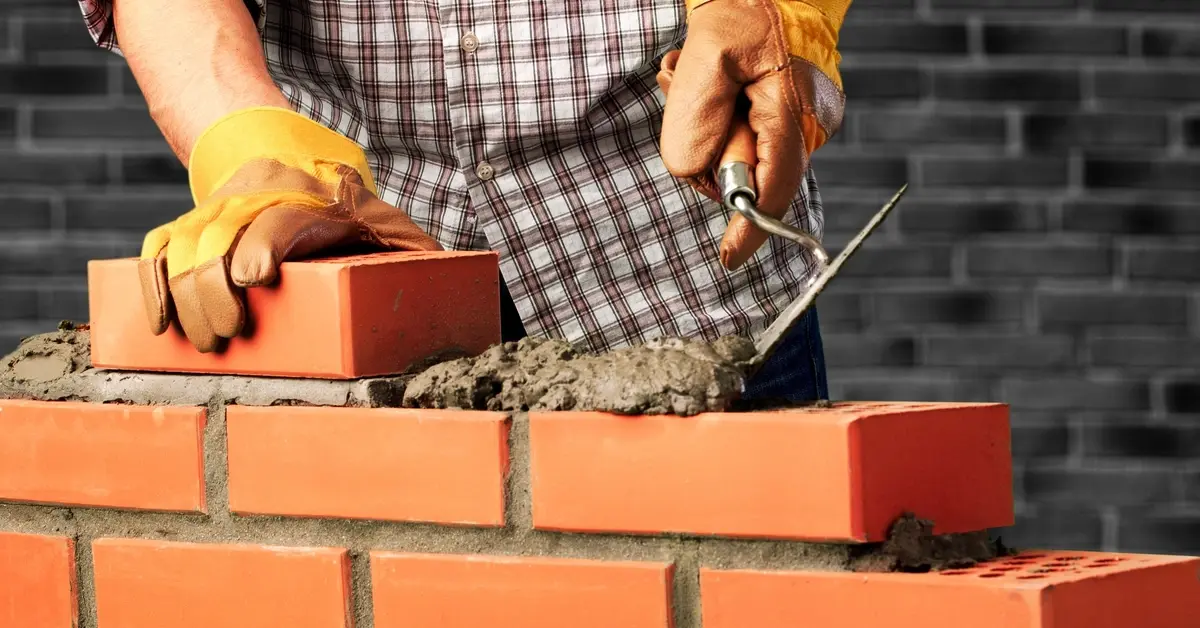
Masonry contractors face risks that generic business insurance may not fully address. The day-to-day demands of transporting materials and equipment between jobsites often place you and your crew around customer property, finished surfaces, pedestrians, other trades and active construction areas. Add in employees, subcontractors, work trucks, stored materials or contract-specific requirements, and determining the right coverage becomes even more important.
That’s why masonry insurance should be built around how your business actually operates. A solo mason doing small residential repairs does not have the same insurance needs as a contractor with multiple crews, several trucks, commercial jobs, rented storage space and materials staged on-site.
If you’re a masonry contractor in Pennsylvania or Maryland, an independent Mutual Benefit Group agent can help you review your risks and talk through contractors insurance options for your business.
What Is Masonry Insurance?
Masonry insurance is not usually one single policy but is a way of describing the mix of business insurance coverages a mason, bricklayer, stonework contractor or masonry business may need.
Depending on your work, masonry contractor insurance may apply to businesses that handle:
-
Brick and block work
-
Stonework
-
Chimney repair or rebuilding
-
Tuckpointing
-
Foundation repairs
-
Retaining walls
-
Veneer work
-
Masonry restoration
-
Residential or light commercial masonry projects
The right coverage depends on your services, crew size, vehicles, equipment, property, contract requirements and jobsite exposures. For contractors who perform residential or light commercial trade work, our artisan contractors insurance information is also a useful starting point.
What Insurance Does a Masonry Contractor Need?
Most masonry businesses should discuss several types of coverage with an insurance agent. Some may be essential, but others depend on how your business is set up.
| Coverage | What It Generally Helps Address |
| General Liability Insurance | Third-party injury or property damage claims |
| Workers' Compensation | Employee work-related injuries or illnesses |
| Commercial Auto Insurance | Business vehicle accidents and vehicle-related exposures |
| Commercial Property Insurance | Business property, buildings, contents, tools or equipment |
| Contractor's Equipment Coverage | Tools and equipment used for masonry work |
| Business Income Coverage | Certain covered interruptions that affect business operations |
| Installation Coverage | Materials or work in progress before completion, depending on policy terms |
| Commercial Umbrella Insurance | Additional liability protection above certain policy limits |
Not every masonry contractor needs the same package. A business with employees, trucks, rented storage, commercial contracts and staged materials will need a more detailed review than a one-person operation doing smaller repair work. To understand how property, liability, business auto and workers’ compensation may fit together for your business, you can also review MBG’s broader business insurance coverage options.
General Liability Insurance for Masonry Contractors
Understandably, general liability insurance is often one of the first coverages masonry contractors ask about. Masonry work happens around other people’s property, which creates the possibility of third-party injury or property damage claims.
For example, general liability may be relevant when your crew is working near:
-
Homes or commercial buildings
-
Finished surfaces
-
Sidewalks, driveways or neighboring property
-
Customers, tenants or pedestrians
-
Other contractors or trades
-
Existing structures
Policies have terms, conditions, limits and exclusions, so not every claim is automatically covered. Still, general liability is a core coverage to discuss since masonry contractors often work directly on or around property they do not own.
But the key question is not just whether you have general liability insurance; it’s whether the policy accurately reflects the type of masonry work you perform.
Workers’ Compensation for Masonry Crews
If your masonry business has employees, workers’ compensation should be part of the insurance conversation.
Masonry is physical work, exposing employees to the potential of injury. Employees may lift heavy materials, operate saws or grinders, set scaffolding, climb ladders, work outdoors and move around active jobsites.
Workers’ compensation is designed to respond to qualifying employee work-related injuries or illnesses, based on policy terms and applicable state law. Your exact obligations in these scenarios will depend on your business structure, employee status and state requirements.
This is especially important if your business has changed over time. A contractor who started alone and later added helpers, seasonal workers or a full crew may need to revisit coverage. Subcontractor use can also raise insurance questions, especially when contracts require proof of coverage.
Commercial Auto for Masonry Work Trucks and Vans
Many masonry contractors rely on vehicles every day. Likely, trucks and vans carry tools, equipment, materials, trailers, scaffolding components or crew members from one job to another on a daily basis.
A personal auto policy is not automatically the right fit for a work truck used in the above masonry operations. Instead, this kind of use should be reviewed as business vehicle use.
When reviewing commercial auto coverage, talk with your agent about these factors:
-
How vehicles are titled
-
Who drives them
-
Whether employees use company vehicles
-
Whether personal vehicles are used for work
-
What tools, equipment or materials are hauled
-
Whether trailers are used
-
Where vehicles are garaged
-
How many jobsites the vehicles travel to
The right vehicle insurance is not only about accident coverage. It’s also about how important that vehicle is to your operation.
If a truck is damaged or unavailable, can your crew still work? Can materials still move and jobs stay on schedule? Considering these possibilities before your business vehicle is taken out of commission is essential.
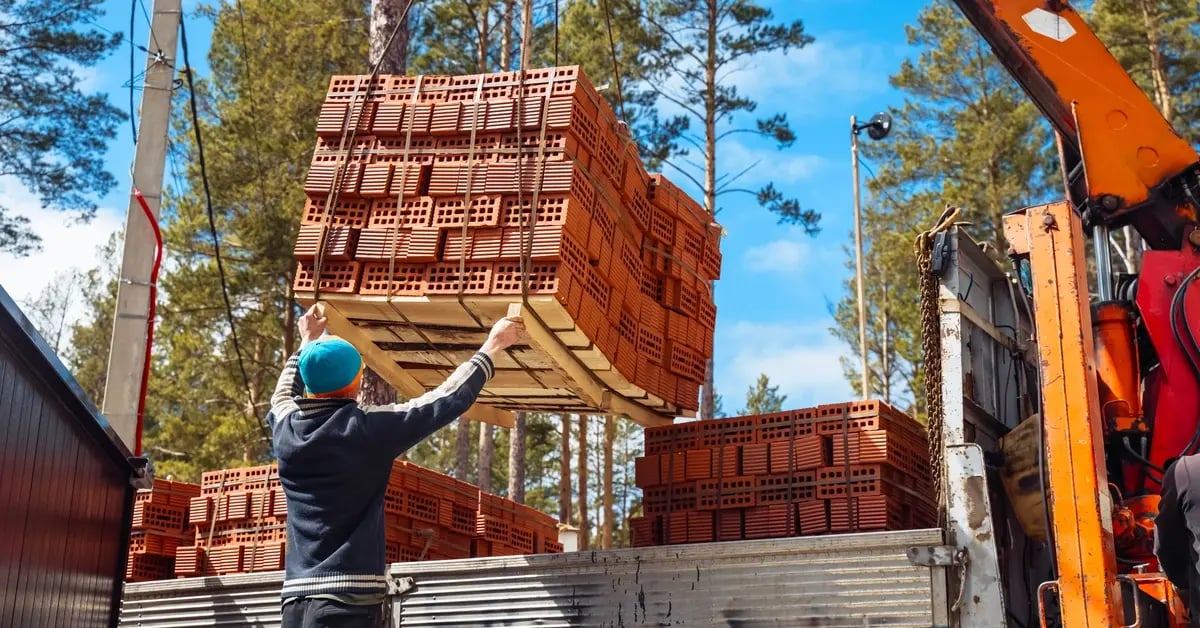
Protecting Tools, Equipment, Materials and Property
Liability, workers’ compensation and auto coverage are often the first policies that come to mind when discussing masonry insurance, but they represent only part of the overall coverage picture. As a masonry contractor, you may also own tools, equipment, stored materials, office contents, trailers or business property that should be reviewed.
This may include:
-
Hand tools
-
Saws, mixers, grinders and specialty equipment
-
Scaffolding components
-
Stored brick, block, stone or mortar
-
Office equipment
-
Shop or storage contents
-
Materials in transit or staged at a jobsite
Some contractors underestimate this area of coverage because most of the work happens away from the office. If a loss at your shop, yard, storage area or jobsite would slow down your ability to work though, it’s worth discussing.
Installation-related coverage may also matter for certain masonry jobs. Ask your agent what may be covered while materials are being transported, stored, installed, tested or waiting for final acceptance. The answer to this question will depend on the policy and the project.
Business Income and Job Interruptions
A covered property loss can create more than repair costs. It can also interrupt your ability to operate.
For a masonry contractor, a disruption may mean delayed projects, missed scheduling windows, idle crews, lost revenue or difficulty meeting customer and general contractor expectations.
Depending on the policy, business income coverage may help with certain covered interruptions. While it is not designed to cover every slowdown, delay or business problem, the point is to think beyond the damaged item itself and consider how a covered loss could affect your ability to keep working.
What Affects the Cost of Masonry Insurance?
Because masonry businesses vary, masonry insurance costs vary too. A small residential repair contractor will usually have different insurance needs than a company with multiple crews, commercial contracts, vehicles, rented space and stored materials.
Factors that may affect cost include:
-
Type of masonry work performed
-
Business location
-
Annual revenue
-
Payroll and number of employees
-
Use of subcontractors
-
Number and type of vehicles
-
Value of tools, equipment and materials
-
Property owned or rented
-
Coverage limits
-
Deductibles
-
Claims history
-
Contract requirements
-
Whether work is residential, commercial or both
Rather than starting with the cheapest quote, start with the right fit. A lower-cost policy that does not match the way your masonry business actually operates may create problems when you need coverage most.
If you’re comparing options more broadly, MBG’s business insurance resources can help you understand how different commercial coverages may work together.
Make Sure Your Policy Matches Your Actual Operation
One of the biggest insurance mistakes contractors make is letting the business change while the policy stays the same.
Your insurance review should adapt if you:
-
Add a truck or trailer
-
Hire employees
-
Use subcontractors differently
-
Rent a shop, yard or storage space
-
Store more materials
-
Take on larger jobs
-
Earn significantly more income
-
Move from residential to commercial work
-
Add new services
-
Start working under stricter contract requirements
If your policy describes one type of operation but your business is doing something different, that mismatch can create problems down the road.
A practical review starts with some basic business questions:
-
What work do you perform?
-
Who does the work?
-
What vehicles are used?
-
Where are tools and materials stored?
-
What contracts are you signing?
-
What has changed since the policy was first written?
Masonry Insurance in Pennsylvania and Maryland
Masonry contractors in Pennsylvania and Maryland benefit from working with an agent who understands local contractor risks, regional business conditions and the way independent trades operate.
Mutual Benefit Group works through independent agents who can help contractors review coverage options, explain policy considerations and identify potential gaps. Our contractor insurance options can bring together important commercial coverages, and Contractor’s Tailored Coverage is automatically included with contractor packages.
For masonry contractors, this local agent relationship is key to finding the right coverage for your business. You’re not just buying a policy name. You’re talking through your actual work, vehicles, employees, property, materials, contracts and growth plans with someone who understands the risks involved and the coverage that matters.
You can also learn more about MBG’s state-specific business insurance options in Pennsylvania and Maryland.
Talk Through Your Masonry Insurance with a Local Agent
The best masonry insurance plan starts with how your business actually operates.
If you work in Pennsylvania or Maryland, an independent MBG agent can help you review your coverage and talk through options for your masonry business. Whether you are a solo mason, a small crew or a growing contractor with vehicles, employees and equipment, the right conversation can help you find coverage that better fits your work.
Find an independent Mutual Benefit Group agent near you to discuss masonry contractor insurance options.