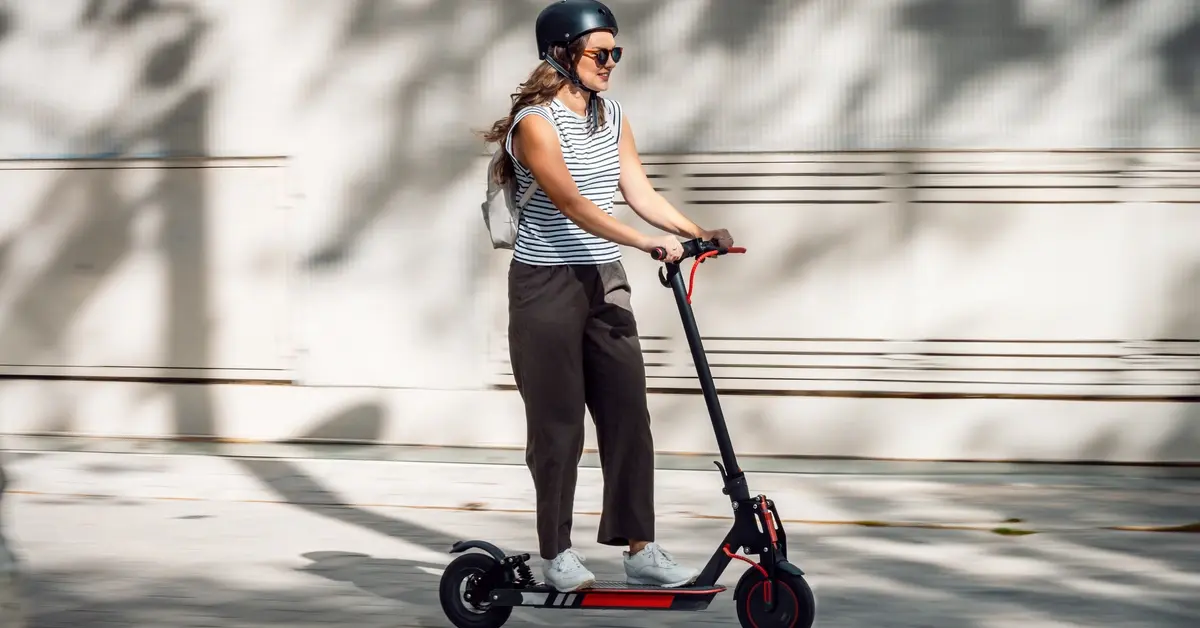
Key Takeaways
-
Helmet on and brakes checked, every single ride.
-
Rules vary by device and state. Confirm PA or MD law before you ride.
-
Lithium batteries can ignite. Use the right charger, never in an exit path or overnight.
-
Coverage for theft, fire or liability depends on your policy and the device.
You buy an e-bike or electric scooter for short trips, quick errands or a little fun around town, and it seems simple enough. Charge it up, hop on and go. But safety on these machines isn't as straightforward as it looks. They're fast enough to hurt you, small enough to feel twitchy on rough pavement and easy to treat like toys when they really aren't. What may come as a surprise is that the risk doesn't end when the ride does. The same battery that got you home can become a fire hazard if it's damaged, charged the wrong way or left in the wrong spot.
Smart ownership means more than wearing a helmet and glancing at traffic. It means knowing how to ride well, which local rules apply and what your homeowners, renters or auto policy may cover if something goes wrong. In this guide, we’ll take a closer look at the safety steps that matter most, then show you where your insurance may fit in so you can ride with fewer surprises.
Why E-Bike and Scooter Safety Matters More Than Riders Think
E-bikes and electric scooters are easy to underestimate because they seem harmless. You're not climbing behind the wheel of a car, and many rides happen close to home. But you're still moving through traffic, crossing driveways, sharing space with pedestrians and reacting to pavement that might be cracked, wet, loose or uneven.
In fact, the U.S. Consumer Product Safety Commission (CPSC) warns that e-scooters can be dangerous and that unsafe riding and collisions can cause serious injury or death. In its safety alert, the CPSC puts helmet use, equipment checks and brake testing near the top of the list of essential safety tips.
This advice is not just for shared scooters in a big city. A teenager circling the neighborhood, a commuter riding an e-bike to work or a parent making a quick run to the store can also face the same risks. So if we are honestly answering whether electric scooters are safe, the answer is that it depends. There are more specific questions to follow up with: Safe under what conditions, for which rider, on what road and with how much preparation?
How to Ride Safely
Since their small wheels and upright stance make them less forgiving over bumps and cracks, scooters deserve extra caution. E-bikes feel more familiar because they look like regular bicycles, but the motor assist can still catch a new rider off guard with how quickly it picks up speed.
Good habits start before the first turn of the wheel. The goal isn't to make riding feel complicated but to build a few routines that take the edge off every trip.
-
Wear a helmet every ride. A short trip can still end in a hard fall. The helmet should be the first thing you reach for.
-
Consider pads and gloves. Knee pads, elbow pads, wrist guards and gloves help when a new rider loses balance or meets rough pavement.
-
Check the device before you go. Look over the brakes, tires, lights, throttle, handlebars, frame and cables. If something feels loose, damaged or slow to respond, don't ride until it's fixed.
-
Test the brakes. Know how fast you can stop before you actually have to.
-
Practice away from traffic. An empty lot is the right place to learn starting, stopping, turning and balancing.
-
Stay alert. Skip the headphones and the phone. Anything that pulls your attention off the road is a problem.
-
Ride sober. Alcohol and drugs wreck reaction time, judgment and balance.
-
Slow down when conditions change. Gravel, wet pavement, potholes, leaves, curbs and railroad tracks all affect control.
Gear, Lights and Visibility
Safety gear works best when it matches how and where you ride. Your helmet is the baseline. After that, think about what helps you be seen and what protects the parts of you most likely to hit the ground.
If you ride near traffic, at dusk or after dark, lights and reflective gear matter. A front light helps people see you coming, a rear light helps drivers notice you from behind, and reflective clothing or bands make you visible from the side — which is what counts at intersections and driveways.
Don't assume the small built-in light on a scooter or e-bike is enough for every situation. A lot of these devices are built for convenience, not for strong nighttime visibility. If you have to ride at night, slow down because you may not spot a pothole, a raised seam or loose gravel until you're already on it.
Traffic Rules, Bike Lanes and Road Awareness
The safest riders are predictable. This means riding with the flow of traffic, using bike lanes where they're allowed, obeying signs & signals and giving everyone — drivers, pedestrians and other cyclists — enough time to read what you're about to do.
Be especially careful at intersections. Drivers often don't expect an e-scooter or e-bike to move as fast as it does, so watch for turning cars, parked vehicles with doors about to open and drivers backing out of driveways. Defensive driving isn’t just for operating a motor vehicle. On a scooter, keep both hands on the bars unless you can signal without losing control.
Locking the device when parked belongs in the safety conversation too. Use a sturdy lock, pick a visible spot, and secure the frame rather than just a wheel or a removable part. Theft prevention isn't the same as crash prevention, but it's still an important part of owning an expensive ride responsibly.
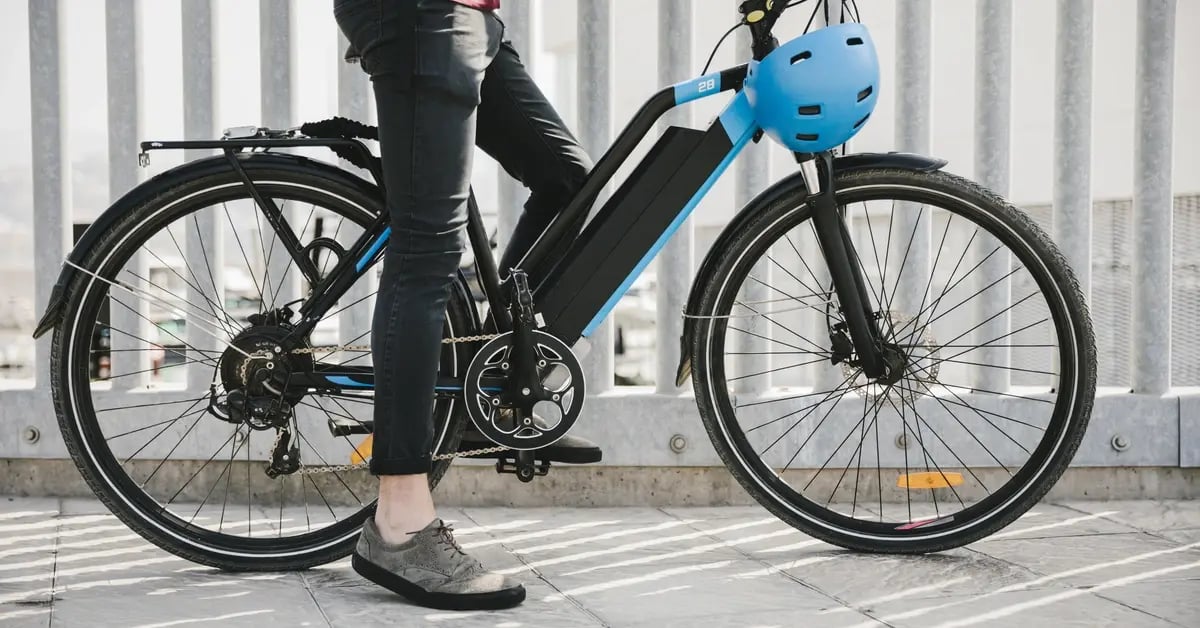
E-Bike and Scooter Classes and the Law in Pennsylvania and Maryland
Rules vary by state, local area and the device itself. A low-speed pedal-assist e-bike may be treated differently than a faster motorized one. A scooter may follow different rules than an e-bike. That's why it's a mistake to assume every electric ride falls in the same category. A few things are worth checking before you ride.
| Issue to Check | Why It Matters |
| Device Type | An e-bike, e-scooter, moped-like device or other motorized ride may be regulated differently. |
| Speed and Motor Power | More powerful or faster devices may fall outside the rules that apply to lower-speed models. |
| Where You Ride | Roads, bike lanes, sidewalks, trails and shared paths may have different rules. |
| Age, Licensing and Registration | Requirements can depend on state law and how the device is classified. |
Before you trust what a retailer, friend or online post told you about e-bike or scooter rules in Pennsylvania or Maryland, check the current official state guidance. Even this article you’re reading isn't legal advice, and the rules can change.
The Risk Riders Forget: Lithium Battery Fires at Home
The ride is over when you park, but the risk isn't always gone. The lithium batteries in these devices store a considerable amount of energy, and trouble can start when one is damaged, charged with the wrong equipment, exposed to moisture or left charging somewhere it shouldn't be.
Be sure to use the charger that came with the device or one the manufacturer approves. Steer clear of cheap replacement chargers that don't match the battery. If a battery is swollen, cracked, leaking, unusually hot or giving off an odd smell, stop using it. If the device took a hard crash or got soaked, be cautious before you charge it again.
-
Don't charge in the only route out of a home or apartment, such as your entryway.
-
Don't charge while you're asleep. Always charge when you can keep an eye on it.
-
Keep batteries away from flammable materials, extreme heat and anywhere a fire would block your exit.
Fire safety groups like the National Fire Protection Association stress careful charging and storage for e-bikes and e-scooters because battery fires can build fast. For e-bikes, this is especially true because they usually carry larger batteries than smaller scooters.
What Your Insurance Actually Covers
This is the part that surprises people, and in our experience it's the question that comes up most once something has already gone wrong. Most safety articles stop at helmets and traffic rules, but the risk of owning an e-bike or scooter can also involve theft, damage, fire and liability. What's covered depends on your specific policy, the device, who's riding, where it's used and how Pennsylvania or Maryland classifies it.
| Coverage Area | How It May Apply | What to Confirm |
| Homeowners or Renters | An e-bike or scooter may be treated as personal property for theft or certain covered damage. | Ask about exclusions, limits, sub-limits and whether a higher-value device should be scheduled on your policy. |
| Property Damage from Battery Fire | Damage to your home or belongings may connect back to property coverage. | Confirm how your policy handles fire damage and whether device-related circumstances affect coverage. |
| Personal Liability | If you injure someone or damage property while riding, liability coverage may respond. Be sure to consult your policy documents and discuss with your independent agent. | Ask whether the device's motor, speed or classification changes the answer. |
| Auto Insurance | Auto insurance is generally not the first place to look for a standard e-bike or scooter. | Confirm whether a faster or differently classified device is treated more like a motor vehicle. |
Whether your homeowners policy covers an e-bike, or whether you need separate liability protection, doesn't have a one-size-fits-all answer. A standard pedal bicycle, a pedal-assist e-bike, a throttle-powered scooter and a moped-like device can each raise different coverage questions in a conversation with your agent.
If you're trying to see what your specific auto coverage will provide protection for, MBG's guide to how your auto policy works is a good starting point. Just don't assume your auto policy automatically follows you while using an e-bike or scooter — that's exactly the kind of gray area an independent agent can sort out with you.
A Quick Word on Kids and E-Scooters
Kids and teens need extra caution because judgment, balance, traffic awareness and reaction time are all still developing. For this reason, the American Academy of Pediatrics recommends that children under 16 not operate motorized e-scooters. Even with older teens, set clear rules about helmets, where riding is allowed, night riding, passengers and charging.
For young riders, keep it simple and firm:
-
No helmet, no ride
-
No road or sidewalk use unless it's allowed
-
No carrying friends
-
No charging the device in a bedroom or an exit path
Ride Safer — Then Make Sure Your Coverage Fits
Even a careful rider can hit loose gravel, run into a battery problem or find out that a stolen e-bike is trickier to replace than expected. While these are not reasons to avoid e-bikes or scooters, they are reasons to treat them like real transportation instead of toys.
If you live in Pennsylvania or Maryland, a local independent MBG agent can review your homeowners, renters or auto coverage and help you understand what may apply to your e-bike or electric scooter. MBG doesn't sell a standalone e-bike or scooter policy direct to consumers, but an agent can look at the coverage you already have and point out where it may need to be adjusted.
When you're ready, find a local independent agent or contact Mutual Benefit Group to get connected with someone who knows the PA and MD markets.